Wildflower Botanical Line Art SVG: Graphics for Thoughtful Illustrations
As a graphic designer who’s built brand identities for handmade businesses, seasonal product launches, and boutique print-on-demand shops, I recently evaluated the Wildflower Botanical Line Art SVG for a real client project: a small-batch herbal tea brand launching a spring collection. The goal? A cohesive visual language that felt earthy, intentional, and quietly elegant—no clichéd florals, no overworked clipart energy. What stood out immediately was how this asset avoids visual noise while still carrying emotional weight. It’s not just botanical line art—it’s a quiet storyteller.
A First Impression That Sets the Tone
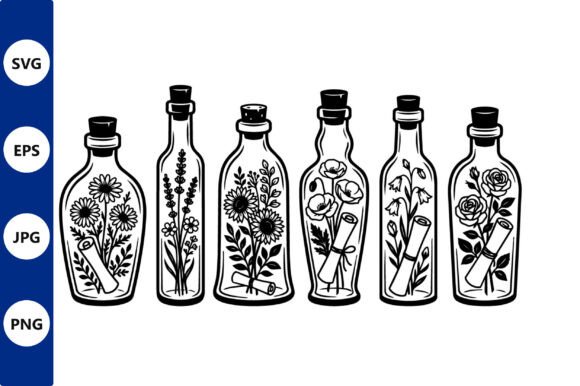
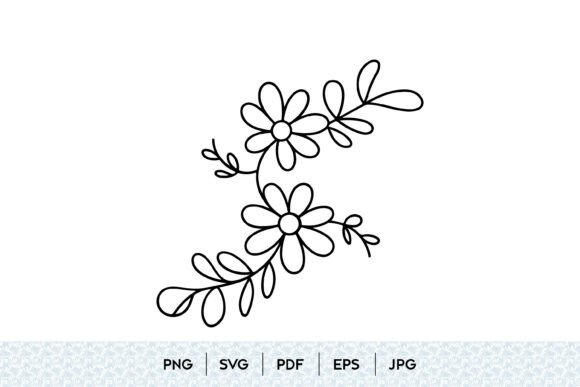
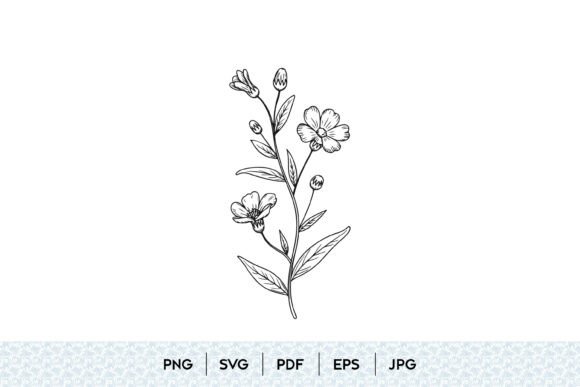
The Wildflower Botanical Line Art SVG delivers a hand-drawn sensibility with confident, unbroken strokes—think delicate but deliberate. There’s rhythm in the floral branch svg flow, variation in line weight that suggests organic growth rather than algorithmic repetition, and subtle asymmetry that reads as human-made, not AI-generated. It lands squarely in the modern design sweet spot: minimalist flower svg clarity meets botanical illustration warmth. For a client whose values center on authenticity and slow craftsmanship, this mood isn’t decorative—it’s strategic.
Where It Shines in Real Client Work
In practice, the Wildflower Botanical Line Art SVG excels where subtlety and cohesion matter most:
- Product labels & packaging design: Used at 1.5–3cm height on kraft paper tea boxes, it adds texture without competing with typography—especially effective when paired with a clean sans serif font or soft serif.
- Printable design & social media graphics: As a recurring motif across Instagram posts and Pinterest pins, it builds recognition across a campaign. Its SVG and PNG formats scale flawlessly for Canva templates and digital ads.
- Cricut project & sublimation design: The vector paths are clean and well-organized—no stray anchor points. Tested on vinyl and ceramic mugs, it cut precisely and held detail even at 4-inch width.
- Editorial design & blog visuals: When layered behind light text blocks or used as a divider in a newsletter, it enhances readability instead of disrupting it—unlike busier clipart alternatives.
- Etsy product & print-on-demand assets: Included EPS and PDF files mean seamless integration into mockup generators; the black-and-white version prints crisply on greeting cards and tote bags.
Smart Placement, Not Just Pretty Decoration
This isn’t an asset that works everywhere—it thrives in context. Use it best in:
- Hero graphics for landing pages or seasonal campaign banners
- Decorative accents along the spine of a product catalog or printed brochure
- Supporting brand elements—like a subtle watermark on invoice templates or packaging tape
- Themed collections (e.g., “Spring Wildflower” limited edition labels or sticker sheets)
- Product mockups where natural texture elevates perceived quality
Where Caution Is Warranted
It’s not universally flexible. Avoid using the Wildflower Botanical Line Art SVG in:
- Small sizes under 1cm—fine stems lose definition, reducing legibility
- Crowded layouts with multiple illustrations or dense typography—its quiet voice gets lost
- Low-contrast environments (e.g., grey line on light grey background), especially in web design where accessibility matters
- Professional corporate materials requiring strict visual hierarchy—this is handmade business energy, not boardroom polish
- Brands leaning into ultra-minimalist or high-tech aesthetics—it reads warm and tactile, not sleek or futuristic
What It Does for Brand Perception
Used intentionally, the Wildflower Botanical Line Art SVG strengthens visual trust. Its hand-informed quality signals care and craft—not stock filler. In a crowded marketplace like Etsy or Shopify, that distinction translates directly to audience engagement and perceived value. It also supports brand consistency: because the line work is cohesive across all included formats (SVG, PNG, EPS, JPG, PDF), you’re not juggling mismatched weights or inconsistent spacing between platforms.
Practical Designer Notes Before You Commit
Before dropping this into a client’s final files, run these checks:
- Test the black-and-white version on both light and dark backgrounds—verify contrast meets WCAG AA standards if used digitally.
- Preview at actual usage sizes: zoom to 100% in Illustrator for a 2-inch label mockup; export a 72dpi PNG for a social post preview.
- Place it on real product mockups—not just flat previews—to assess balance and scale in context.
- Check PNG transparency: ensure no faint halos or anti-aliasing artifacts around edges.
- Open the SVG in a vector editor—confirm layers are named, paths are editable, and there’s no embedded raster data.
- Pair it with your chosen type system: it harmonizes beautifully with serif fonts (for editorial warmth) and rounded sans serifs (for approachability), but can visually compete with heavy script or display fonts unless carefully spaced.
- Verify commercial license terms—this is a commercial design asset, but confirm permitted uses (e.g., unlimited end products, no resale of the raw file itself).
Final Verdict: A Refined Creative Design Tool
The Wildflower Botanical Line Art SVG isn’t flashy—but that’s its strength. It’s a reliable, mood-aligned graphic design asset that supports intentionality over ornamentation. For designers building visual systems for small business branding, seasonal campaigns, or printable design collections, it delivers consistent quality across formats and applications. When matched thoughtfully to the right client, the right message, and the right medium, it doesn’t just decorate—it deepens.